Top Fortress Fence Company Austin Services for Fence Repair
Professional Fence Installation: Transform Your Curb Appeal
High-quality fence installation delivers more than just perimeter establishment. It elevates a property's curb appeal, providing both visual charm and functional advantages. Multiple options, from classic wood to sleek vinyl, suit diverse tastes. As property owners evaluate their choices, grasping the elements that affect installation and material choices proves critical. Ideal decisions can dramatically enhance a home's outer facade. However, choosing between professional contractors or a DIY approach presents significant considerations.
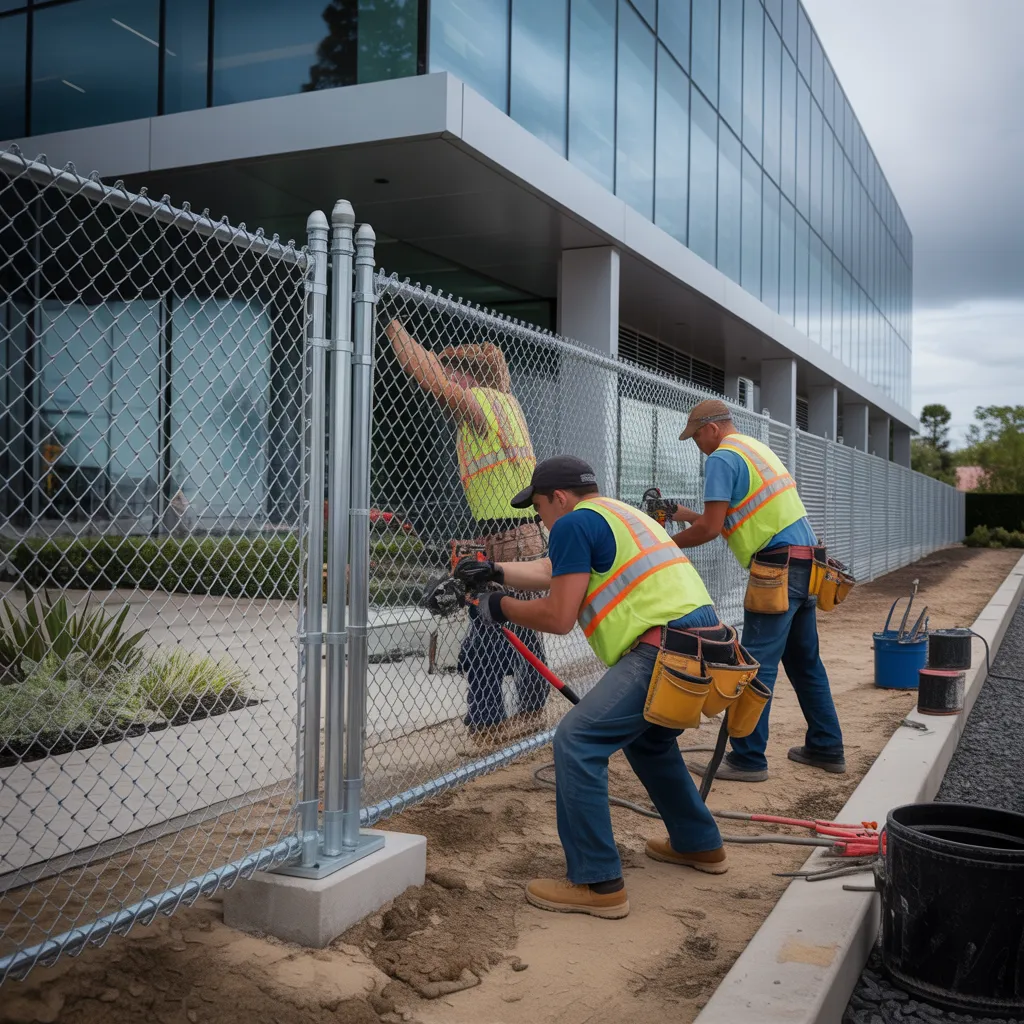
Exploring the Advantages of a Top-Rated Fence
A high-quality fence provides many benefits that can significantly improve both property security and value. By creating a distinct perimeter, it serves to outline the property's boundaries, deterring potential intruders and unwanted animals. This added layer of protection encourages a feeling of security for occupants and their property. Furthermore, premium materials and skilled construction ensure long-lasting performance, lowering upkeep expenses in the long run.
Moreover, a thoughtfully designed fence can function as an appealing feature, harmonizing with the residence's visual character. It can shield open-air spaces from wind and noise, fostering a more pleasant environment for activities such as socializing or landscaping. Beyond that, it can provide personal space, permitting homeowners to unwind without concern for prying eyes. All things considered, selecting a premium fence not only increases security but also enhances the complete desirability and utility of a residence, rendering it an excellent decision for homeowners pursuing ongoing improvements.
Well-Known Fence Designs That Boost Curb Appeal
When thinking about fence installation, the selection of style can significantly improve a home's curb appeal. Timeless wood fencing delivers an enduring elegance that suits traditional architectural styles, while contemporary vinyl alternatives offer a polished, easy-care solution. Both styles cater to varying design tastes and can improve the visual appeal of any property.
Classic Wooden Fencing Designs
Classic wood fencing styles offer lasting charm that elevates street presence for any property. Such styles, including picket, informative guide split rail, and privacy fences, provide a natural aesthetic that pairs well with diverse home designs. Picket fences, with their charming vertical slats, create a welcoming atmosphere, ideal for front yards. Frequently found in rural settings, split rail fences deliver countryside character while staying practical. Privacy fences, usually constructed taller and sturdier, deliver both safety and a tranquil backyard environment. The versatility of wood allows for customization in height, stain, and finish, empowering homeowners to showcase their unique aesthetic. Ultimately, classic wooden fencing remains a preferred option for those seeking to elevate their home's exterior charm.
Today's Vinyl Options
Modern vinyl fencing options present a variety of stylish designs that can significantly improve the curb appeal of a property. Available in multiple colors and textures, vinyl fences can replicate classic materials such as wood or stone while delivering outstanding durability and easy maintenance. Popular styles include picket, privacy, and ranch rail, each designed to suit varying design preferences.
Vinyl fencing stands up to rot, fading, and pests, guaranteeing a lasting and worthwhile investment. Moreover, its adaptability in design permits homeowners to tailor heights and panel layouts to match their landscape. Therefore, today's vinyl fences not only deliver security and privacy but also improve the overall look of a home, making them a popular selection among thoughtful property owners.
Select the Best Material for Your Fence
Picking the best option for a fence is crucial for both practical use and visual appeal. Materials like wood and vinyl provide unique benefits, while chain link provides a cost-effective solution. Additionally, the longevity of metal fencing can be a key consideration in long-term planning.
Wood and Vinyl Fencing Compared
When homeowners consider fencing options, the comparison between wood and vinyl tends to emerge due to the specific pros and cons associated with each option. Wood fencing delivers a classic aesthetic and natural beauty, appealing to those who favor classic designs. It can be customized easily and is generally more budget-friendly at the outset. However, wood needs ongoing care to prevent rot and damage from pests.
Conversely, vinyl fencing is recognized for its resilience and ease of care, preventing fading, warping, and cracking. It typically carries a higher initial cost but has the potential to cut costs over time due to its lasting durability. Homeowners should evaluate their priorities, such as design preferences, budget considerations, and maintenance expectations, to identify the ideal solution for their fencing goals.
Chain Link Choices Available
Chain link fencing provides an effective option for homeowners seeking visibility and security without breaking the bank. This type of fencing is available in various heights and gauges, allowing property owners to select options that best fit their needs. For those prioritizing aesthetics, vinyl-coated chain link provides a colorful alternative, integrating naturally with landscaping. Additionally, residents can opt for galvanized chain link for superior rust protection, ensuring longevity. The setup process is usually uncomplicated, making it a favorite among DIY homeowners. With features such as privacy slats or decorative tops, chain link fencing can be tailored to combine utility and aesthetics. All things considered, chain link fencing provides a practical and affordable option for enhancing property boundaries.
Metal Resilience Considerations
Selecting the appropriate fence material requires evaluating the durability of various options. Metal fencing, notably those fabricated with aluminum and steel alloys, are known for their robustness and lasting quality. Aluminum is lightweight and resistant to rust, making it ideal for coastal areas. Steel, despite being heavier and more durable, requires galvanization or coating to prevent corrosion. By comparison, wrought iron, despite its visual appeal, necessitates frequent maintenance to address rust. Moreover, the metal's gauge is a critical factor; denser materials deliver greater durability and resilience. In the end, considerations including climate, purpose, and upkeep requirements ought to inform the decision-making process, making certain that the chosen metal fencing resists environmental pressures while maintaining its structural integrity over time.
Identify Key Factors for Installation Success
Successful fence installation copyrights on several key factors that can greatly impact the overall outcome. Initially, selecting the right materials is vital; various materials provide different durability levels, maintenance demands, and aesthetic qualities. Additionally, proper planning is essential, encompassing the review of property lines and acquiring the appropriate permits to prevent potential legal complications.
Furthermore, precise measurements and a carefully planned layout establish that the fence properly fits the landscape and satisfies the owner's requirements. Ground conditions and terrain features also play an important role in installation success; they can affect the foundation type necessary for stability.
In addition, weather conditions should be considered, as extreme temperatures or rain can hinder installation efforts. As a final point, attention to detail during installation—such as properly aligning panels and firmly securing posts—ensures a durable and aesthetically pleasing fence. By considering these elements, homeowners can considerably extend the lifespan and efficiency of their fencing project.
Should You Use Professional Installers or Take the DIY Route for Your Fence?
When evaluating the option of hiring professionals versus pursuing a DIY fence installation, homeowners often assess their expertise, budget limitations, and scheduling demands. Engaging professional installers generally ensures superior results, as seasoned professionals offer technical expertise and appropriate tools. This choice suits homeowners who lack the time or skills to finish the project successfully. Alternatively, a DIY method can prove to be budget-friendly, giving homeowners the opportunity to cut labor costs and take on a satisfying challenge. That said, this approach necessitates a strong grasp of fencing materials, municipal regulations, and appropriate installation practices. Homeowners should also consider the time commitment, as DIY projects can extend beyond initial expectations. Ultimately, the decision copyrights on individual circumstances, including personal preferences, project complexity, and available resources. Careful consideration of these factors will guide homeowners in making the right choice for their fencing needs.
Key Maintenance Tips to Keep Your Fence Long-Lasting
Keeping a fence's structural integrity and visual appeal requires regular upkeep. Periodic inspections are essential; homeowners should check for signs of damage, rot, or deterioration. For wooden fences, applying a protective coating or sealant every few years can prevent moisture damage. Metal fences should be inspected for corrosion, and any damaged areas should be sanded and repainted immediately to maintain integrity.
Additionally, keeping the area around the fence clear of debris and overgrown vegetation can help prevent the buildup of moisture and pest infestations. It is equally important to secure any loose screws or bolts in order to ensure the structure remains stable.
Scrubbing the fence on a routine basis, utilizing a light soap solution and a soft cleaning brush, preserves its visual appeal. Periodic seasonal care is critical; consequently, homeowners ought to create a regular plan to ensure the extended lifespan of their fences. Applying these guidelines can greatly enhance the strength and visual charm of every type of fence.
What to Anticipate in Fence Installation Costs
Comprehending fence installation costs is crucial for homeowners and residents planning to enhance their home. The total expenses can differ significantly based on a number of considerations, including the material selected, the complexity of the installation, and the scope of the area to be enclosed. Popular fencing materials such as wood, vinyl, and chain link each come with different price points.
Furthermore, labor costs can fluctuate based on local pricing standards and the contractor's level of expertise. Property owners should also take into account required permits and added features, such as gates or decorative elements, which can also affect the total budget.
On average, costs range from $1,500 to $4,000 for regular installation projects. It is advisable for homeowners to obtain multiple quotes and assess the scope of work involved to ensure a comprehensive understanding of their financial obligations before continuing with the project.
Blending Fencing Into Your Landscape Design
Weaving fencing into landscape architecture not only elevates the aesthetic value of a property but also offers practical benefits like privacy and security. A carefully selected fence can harmonize with existing plants, pathways, and outdoor structures, establishing a unified appearance. For instance, wooden fences can blend seamlessly with natural surroundings, while metal options offer a modern touch that pairs well with contemporary landscaping.
The appearance and shade of the fence ought to blend with the overall theme of the outdoor space. Living wall installations or climbing plants can be incorporated to ease rigid boundaries and bring in lush foliage. Furthermore, carefully positioned fencing can define areas, such as separating garden areas from recreational zones.
Ultimately speaking, careful integration of fencing transforms not just the visual charm but also the functionality of exterior areas, contributing to an welcoming environment that reflects the home dweller's unique preferences and style.

Frequently Asked Questions
What Permits Are Required for Fence Installation?
Typically, homeowners should acquire a building permit before putting up a fence. Local zoning regulations may also require additional permits, specifically concerning height restrictions or property lines. Speaking with local governing bodies helps ensure adherence to all necessary regulations.
What Is the Typical Duration of Fence Installation?
Fence installation typically takes between one and three days, with the timeline depending on material type, property dimensions, and weather conditions. Designs with greater complexity may take additional time to be completed.
Are Fences Able to Be Installed in the Winter Months?
Yes, fences can be installed in winter. The process, however, may present greater challenges owing to frozen ground and inclement weather. Expert installers commonly refine their techniques to maintain stability and durability in colder weather.
What Is the Average Lifespan of Different Fence Materials?
The average lifespan of fence materials varies: wood has a lifespan of 10-15 years, vinyl can endure 20-30 years, chain link fencing generally has a lifespan of 15-20 years, and aluminum may last 30 years or more with proper maintenance.
How Do I Choose a Fence Color That Complements My Home?
To pick a fence color that enhances a home, one should consider the external color palette, structural style, and surrounding environment. Natural hues often integrate seamlessly, while bold colors can create contrast and eye-catching appeal.